













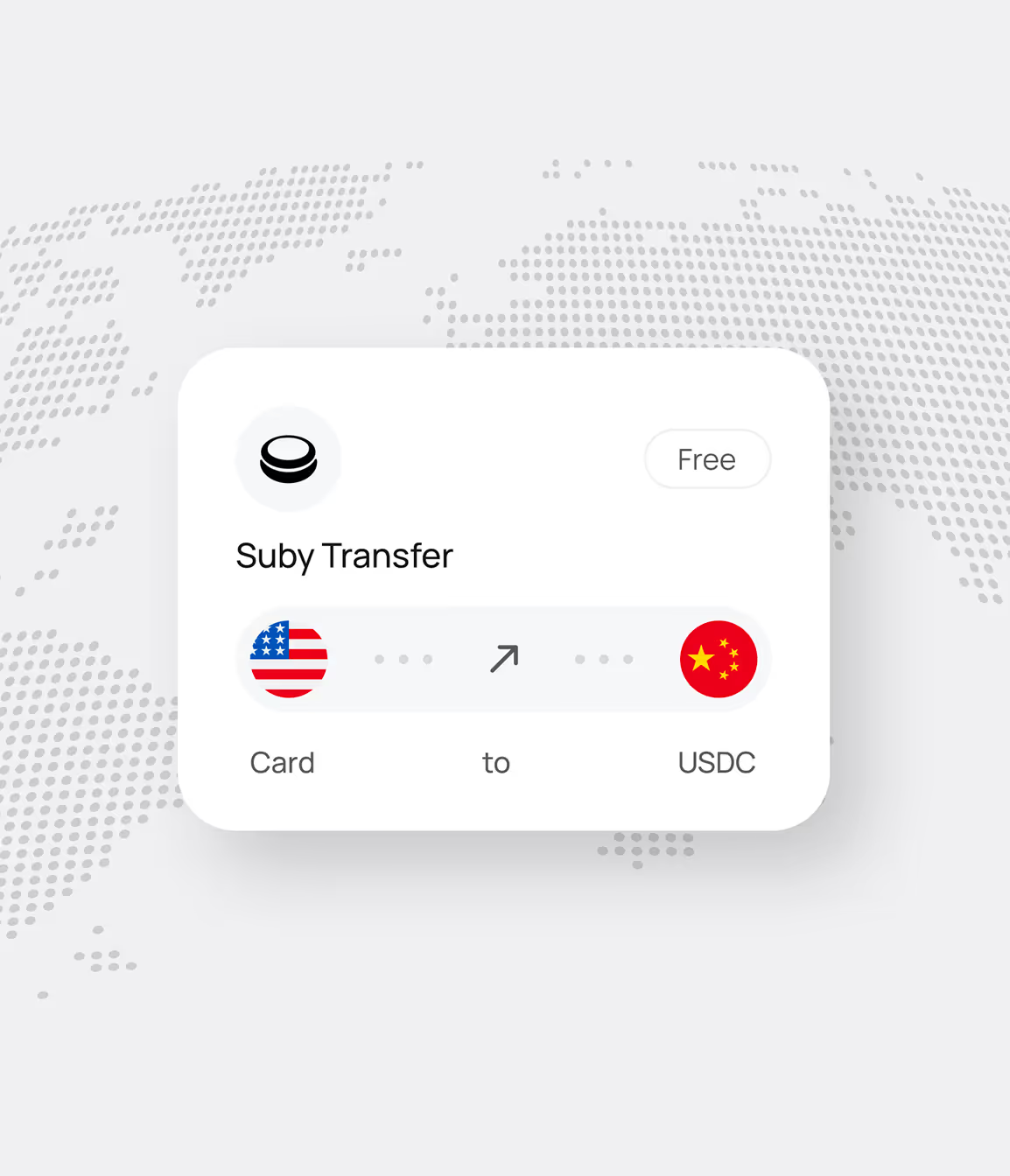


- Accept international card payments and crypto payments worldwide
- Integrate via checkout, API, and webhooks
- Get USDC payouts with flat, predictable fees (no hidden FX surprises)
- Reduce reliance on providers known for payment holds / account restrictions

- Send a payment link to any international client, in any country
- Let them pay by card or crypto (no complex setup)
- Receive USDC directly to your wallet with fixed, transparent fees
- Avoid SWIFT delays, bank friction, and surprise FX charges


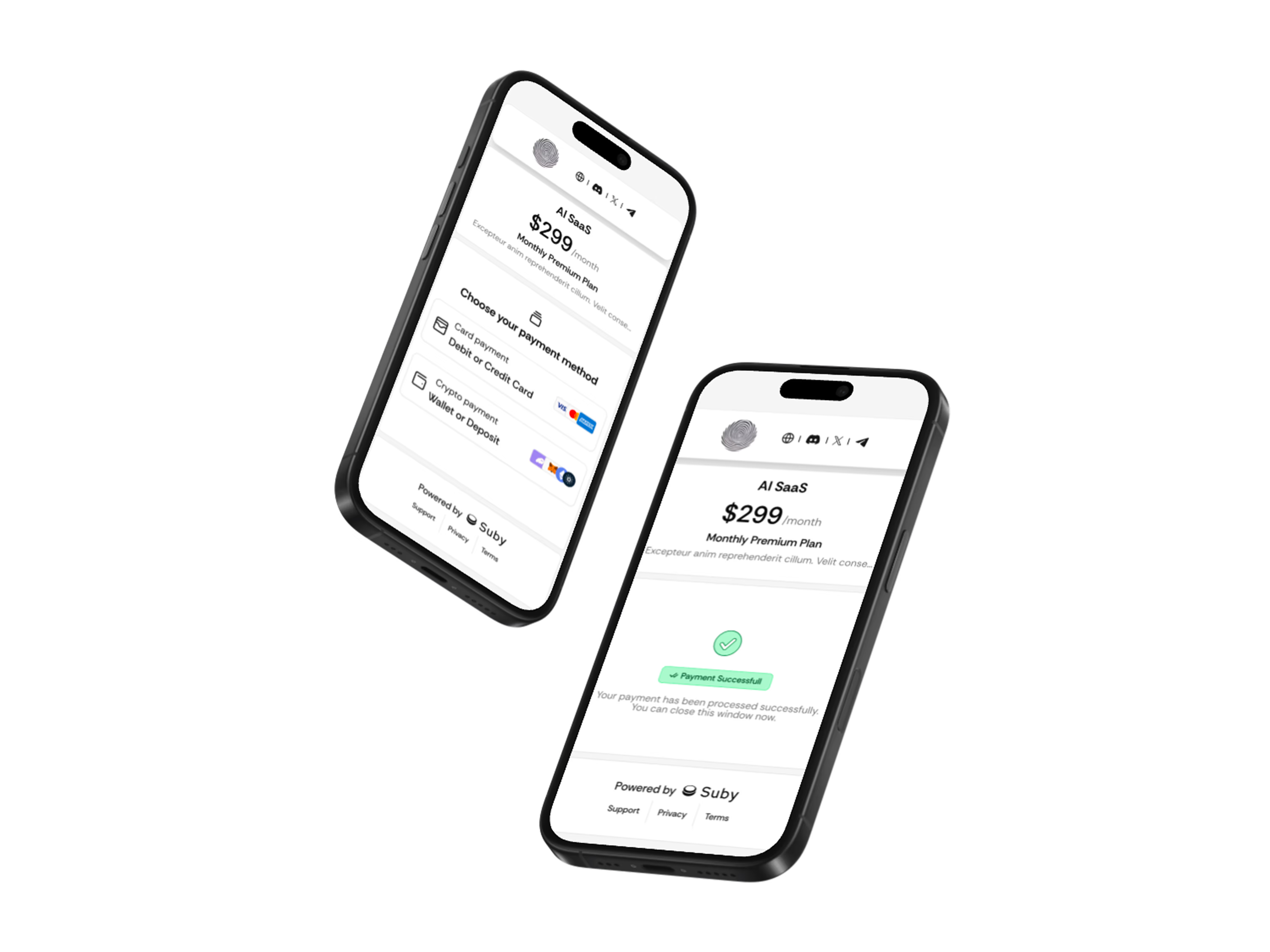
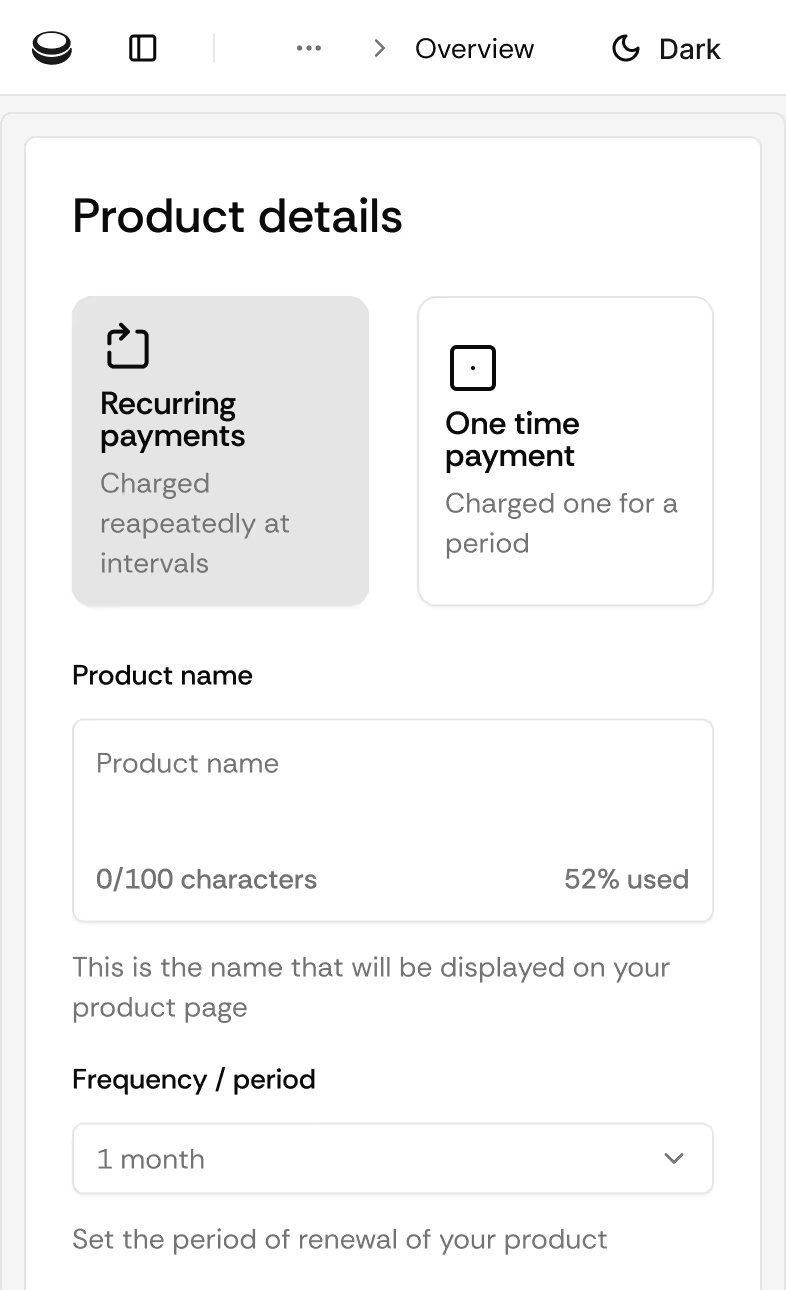


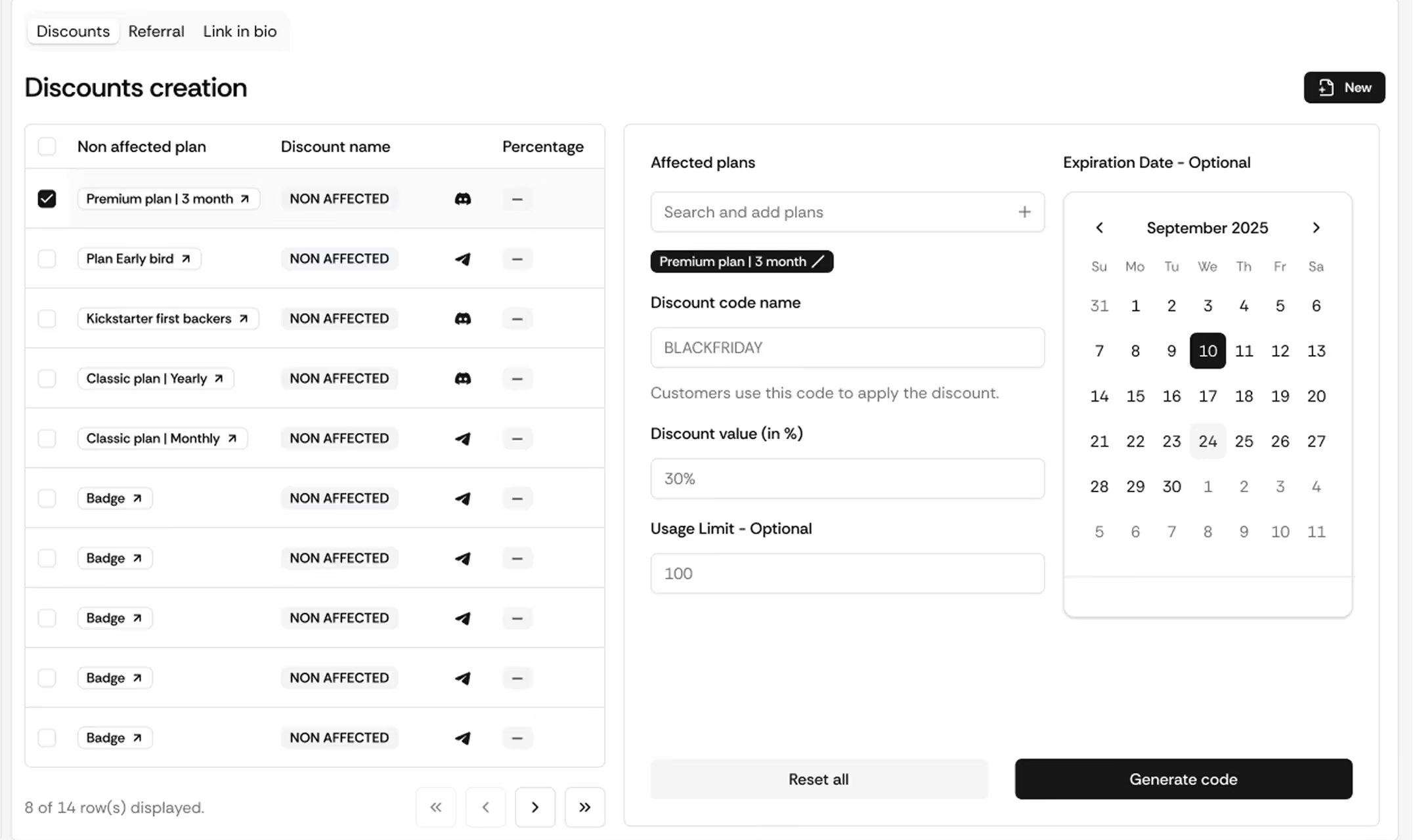
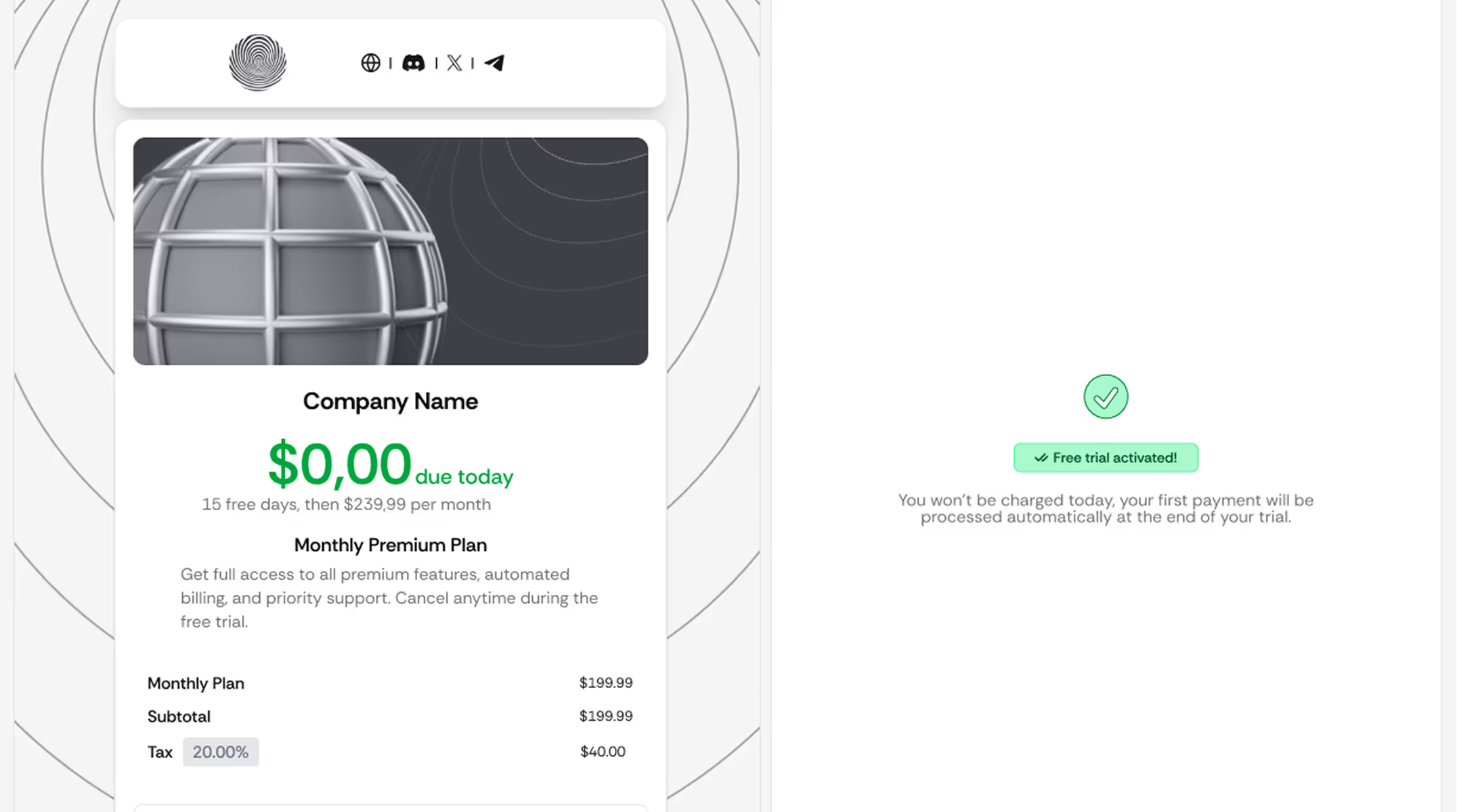
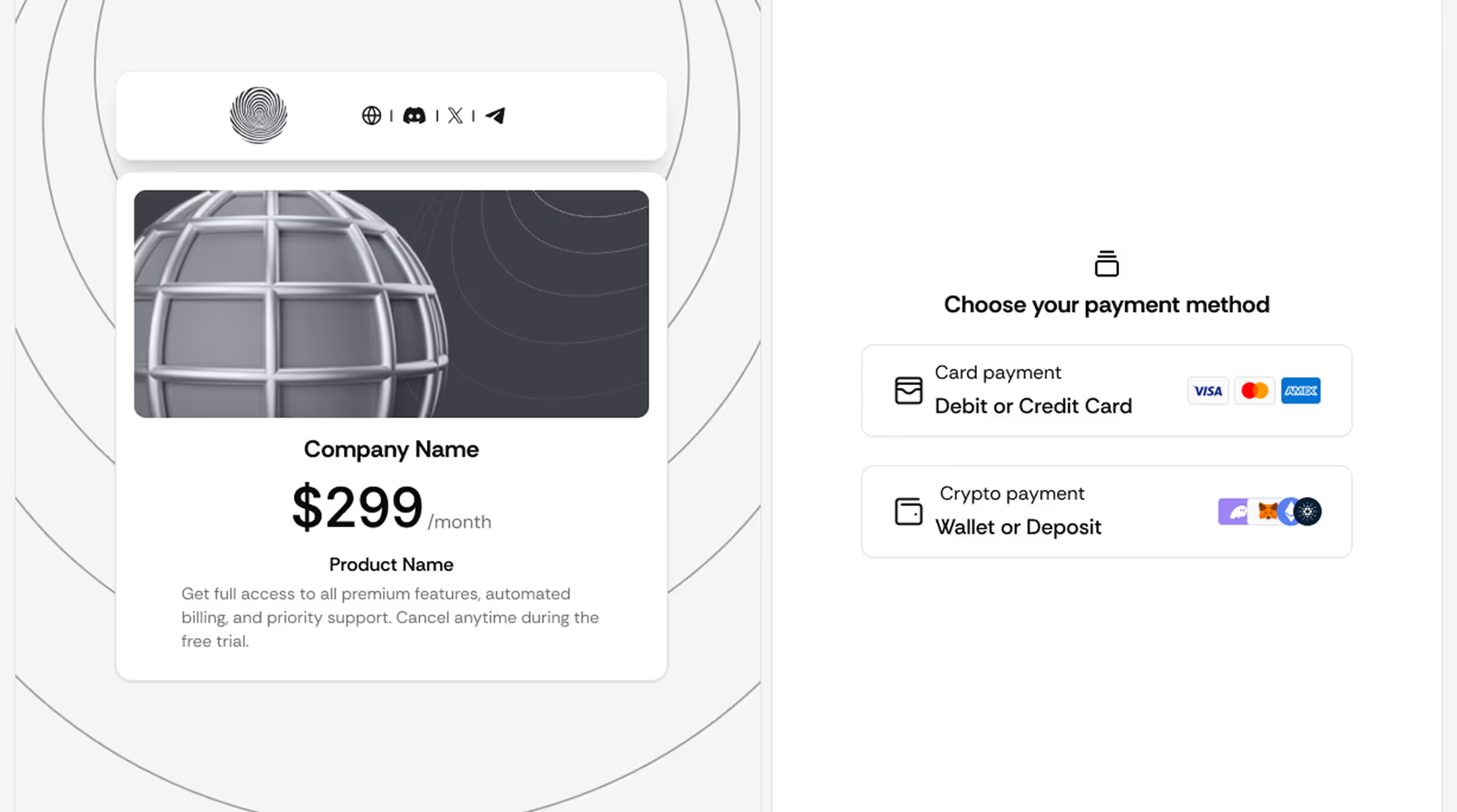


SaaS companies can accept card payments through card processors integrated into a payment orchestration layer like Suby. While customers pay using standard credit or debit cards, payouts are settled in USDC through licensed partners, removing the need for fiat bank payouts.
Yes. Web applications can replace traditional bank payouts with USDC settlements, allowing faster access to funds and reducing dependency on local banking infrastructure. This setup is commonly used by global products, APIs, and online tools serving international users.
Yes. E-commerce businesses can integrate card payments at checkout while receiving USDC payouts instead of fiat. This approach is useful for global merchants, cross-border sellers, and crypto-native brands that want predictable settlement without currency conversions.
No. One of the advantages of USDC payouts is that businesses can receive funds directly to a crypto wallet, without requiring a local or international bank account. This is particularly valuable for startups and companies operating in emerging markets.
Yes. In addition to card payments, customers can pay directly with crypto such as USDC or USDT on supported blockchains. This allows businesses to serve both crypto-native users and traditional users through a single payment setup.
Web apps operating globally often face issues with local banking availability and restrictions. Settling revenue in USDC enables payouts directly to a wallet, removing the need for local bank accounts.
Cross-border e-commerce payments often involve currency conversions, fees, and delays. A payment setup that accepts cards while settling in USDC simplifies cross-border revenue collection and settlement.
Some payment providers restrict payouts based on country or region. Using USDC settlements allows founders to receive revenue without relying on country-specific banking infrastructure.
FX conversions and international transfers increase payment costs. Settling revenue in USDC avoids repeated currency conversions and lowers operational fees.
Managing banks, currencies, chargebacks, and payouts increases operational complexity. Using a payment orchestration layer that abstracts these elements simplifies operations.
Still have questions?
Have questions or need assistance? Our team is here to help!


